
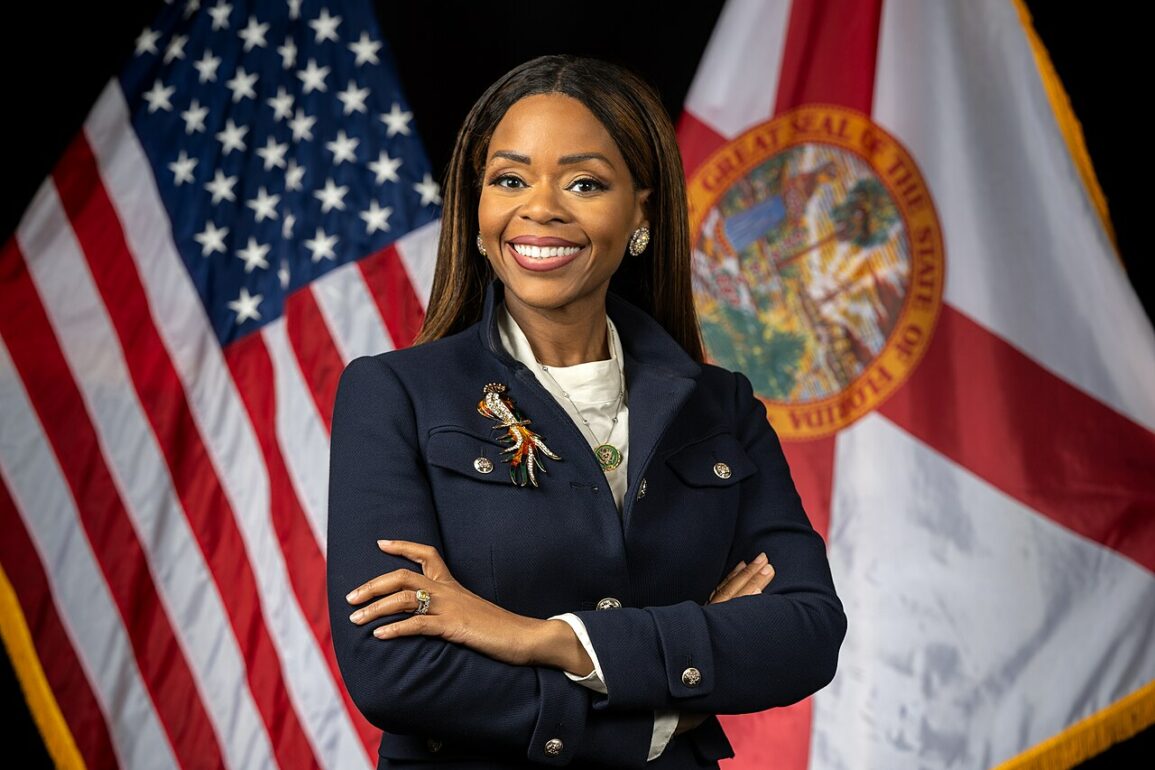
Rep. Sheila Cherfilus-McCormick abruptly resigned from Congress on Tuesday, stepping down just as mounting allegations of financial misconduct threatened to culminate in formal disciplinary action from the House.
The Florida Democrat’s departure came only moments before the House Ethics Committee was set to convene and consider potential penalties, including possible expulsion, in response to the accusations against her. The timing underscored the seriousness of the situation, as well as the intense pressure facing lawmakers caught in the crosshairs of ethics investigations.
Cherfilus-McCormick has been under scrutiny amid federal charges alleging she diverted millions of dollars from the Federal Emergency Management Agency to help finance her congressional campaign. The allegations, if proven, represent a significant breach of public trust, particularly given FEMA’s role in assisting Americans during times of crisis.
Despite the severity of the accusations, the congresswoman has consistently maintained her innocence. In her resignation statement, she forcefully pushed back against the Ethics Committee’s actions, arguing that the process itself was fundamentally flawed and undermined her ability to mount a proper defense.
“By going forward with this process while a criminal indictment is pending, the Committee prevented me from defending myself,” she said. “I will not stand by and pretend that this has been anything other than a witch hunt.”
Her remarks reflect a broader frustration often voiced by public officials facing simultaneous legal and congressional scrutiny, where parallel proceedings can create both legal and political challenges. At the same time, critics have long argued that ethical accountability in Congress is essential to maintaining public confidence in government institutions.
Cherfilus-McCormick further contended that the investigation risked damaging her reputation before the legal process had run its course. She framed her resignation not as an admission of wrongdoing, but as a necessary step to preserve her ability to fight the charges outside the political arena.
“I simply cannot stand by and allow my due process rights to be trampled on, and my good name to be tarnished,” she said.
In announcing her immediate departure from the 119th Congress, she also emphasized her intention to continue advocating for her constituents in Florida’s 20th District, albeit outside the halls of Congress.
“Rather than play these political games, I choose to step away so that I can devote my time to fighting for my neighbors,” she added.
The episode serves as another reminder of how quickly political fortunes can shift in Washington, where ethical questions—fair or not—can overshadow policy work and legislative priorities. It also highlights the delicate balance between ensuring accountability and protecting the rights of those accused, particularly when legal proceedings are ongoing.
With Cherfilus-McCormick now out of office, attention is likely to turn to both the legal case ahead and the broader implications for congressional oversight. For voters, the situation raises familiar concerns about trust, transparency, and the standards expected of those elected to serve.
[READ MORE: Labor Secretary Lori Chavez-DeRemer Resigns From Trump Administration]